Cosmos Companion Vegetables: The Best Plants To Grow Together
Cosmos Companion Vegetables: The Best Plants to Grow Together
Cosmos are beautiful, easy-to-grow annuals that can add a touch of color to any garden. They're also great companion plants for vegetables, as they attract beneficial insects and help to repel pests.
In this blog post, we'll discuss the best vegetables to grow with cosmos, as well as some of the benefits of companion planting. We'll also provide some tips on how to plant and care for these two types of plants together.
Benefits of Companion Planting
There are many benefits to companion planting, including:
- Increased pollination: Companion plants can attract beneficial insects, such as bees and butterflies, which help to pollinate vegetable plants.
- Reduced pest pressure: Some companion plants can help to repel pests, such as aphids, tomato hornworms, and cucumber beetles.
- Improved soil health: Companion plants can help to improve soil health by adding nutrients and organic matter.
- Increased yields: Companion planting can lead to increased yields of vegetables.
Best Vegetables to Grow with Cosmos
Some of the best vegetables to grow with cosmos include:
- Tomatoes: Cosmos are a great companion plant for tomatoes, as they attract beneficial insects that help to pollinate the tomatoes. They also help to deter tomato hornworms.

- Cucumbers: Cosmos are also a good companion plant for cucumbers, as they help to attract pollinators and deter cucumber beetles.

- Beets: Cosmos can be planted near beets to help deter pests, such as flea beetles.

- Peas: Cosmos can be planted near peas to help attract pollinators and deter pests, such as pea moths.

- Pumpkins: Cosmos can be planted near pumpkins to help attract pollinators and deter pests, such as squash bugs.

Tips for Planting and Caring for Cosmos and Vegetables Together
When planting cosmos and vegetables together, there are a few things to keep in mind:
- Choose companion plants that have similar growing requirements. For example, both cosmos and tomatoes need full sun and well-drained soil.
- Plant cosmos and vegetables at the same time. This will help to ensure that they both have a chance to establish themselves before the growing season gets too hot.
- Space cosmos and vegetables appropriately. Cosmos can grow quite tall, so be sure to give them enough space to spread out.
- Water cosmos and vegetables regularly. Cosmos are drought-tolerant, but they will need more water during hot, dry weather.
- Fertilize cosmos and vegetables regularly. Cosmos will benefit from a light application of fertilizer every few weeks.
Conclusion
Cosmos are a great companion plant for many vegetables. They attract beneficial insects, help to deter pests, and improve soil health. By planting cosmos and vegetables together, you can enjoy a more productive and pest-free garden.
Cosmos are beautiful flowers that can add a touch of color and whimsy to any garden. But did you know that they can also be beneficial to your vegetable garden? That's right, cosmos can actually help to repel pests and attract pollinators, which can boost the productivity of your vegetable plants.
So, what are some good companion vegetables for cosmos? Here are a few suggestions:
- Tomatoes: Cosmos and tomatoes are a great pair. Cosmos attract bees and other pollinators, which help to pollinate the tomatoes. This results in larger, healthier tomatoes.
- Beets: The dark red leaves of beets provide a striking contrast to the colorful blooms of cosmos. Plus, cosmos can help to deter pests that target beets, such as aphids.
- Squash: Cosmos can help to repel squash bugs, which are a common pest of squash plants.
If you're looking for more information about cosmos companion vegetables, I recommend visiting Gardenia Inspiration. This website has a wealth of information on companion planting, including a list of specific vegetables that are good companions for cosmos.
FAQ of cosmos companion vegetables
Q: What are some good companion vegetables for cosmos?
A: Cosmos are excellent companions for many vegetables, including tomatoes, cucumbers, peppers, and beans. They attract beneficial insects like ladybugs and butterflies, which help to control pests. Cosmos also help to suppress weeds and improve the soil.
Here are some specific examples of good companion vegetables for cosmos:
- Tomatoes: Cosmos help to attract pollinators that help to pollinate tomatoes. They also help to suppress the growth of tomato hornworms.
- Cucumbers: Cosmos help to repel cucumber beetles. They also help to improve the soil, which can benefit cucumber plants.
- Peppers: Cosmos help to attract pollinators that help to pollinate peppers. They also help to suppress the growth of aphids.
- Beans: Cosmos help to attract pollinators that help to pollinate beans. They also help to improve the soil, which can benefit bean plants.
Q: What are some of the benefits of companion planting with cosmos?
A: There are many benefits to companion planting with cosmos, including:
- Increased pollination: Cosmos attract beneficial insects like ladybugs and butterflies, which help to pollinate other plants in the garden.
- Pest control: Cosmos help to repel pests like tomato hornworms, cucumber beetles, and aphids.
- Weed suppression: Cosmos help to suppress the growth of weeds.
- Improved soil: Cosmos help to improve the soil by adding nutrients and organic matter.
- Increased yields: Companion planting with cosmos can lead to increased yields of other vegetables.
Q: How do I plant cosmos with vegetables?
A: When planting cosmos with vegetables, it is important to consider the spacing requirements of both plants. Cosmos need full sun and well-drained soil. They should be planted about 18 inches apart. Other vegetables may have different spacing requirements, so it is important to check the planting instructions for each plant.
It is also important to consider the height of the plants when planting them together. Cosmos can grow up to 6 feet tall, so they should be planted behind shorter vegetables. This will help to prevent the cosmos from shading out the other plants.
Q: What are some common mistakes to avoid when companion planting with cosmos?
A: There are a few common mistakes to avoid when companion planting with cosmos, including:
- Planting cosmos too close to other plants: Cosmos need full sun and well-drained soil. If they are planted too close to other plants, they may not get enough sunlight or water.
- Planting cosmos in the wrong location: Cosmos are not tolerant of cold weather. They should not be planted until the soil has warmed up in the spring.
- Not watering cosmos regularly: Cosmos need regular watering, especially during hot, dry weather. If they do not get enough water, they will wilt and die.
Q: Where can I learn more about companion planting with cosmos?
A: There are many resources available to learn more about companion planting with cosmos. Here are a few suggestions:
- The book The Vegetable Gardener's Companion by Louise Riotte
- The website Gardeners' World
- The blog The Rustic Garden
- The YouTube channel Epic Gardening
Image of cosmos companion vegetables
5 different images of "cosmos companion vegetables" from Pinterest:
- Tomatoes and cosmos. Cosmos attract pollinators, which help to increase tomato fruit set. They also help to deter aphids, which can be a problem for tomatoes.
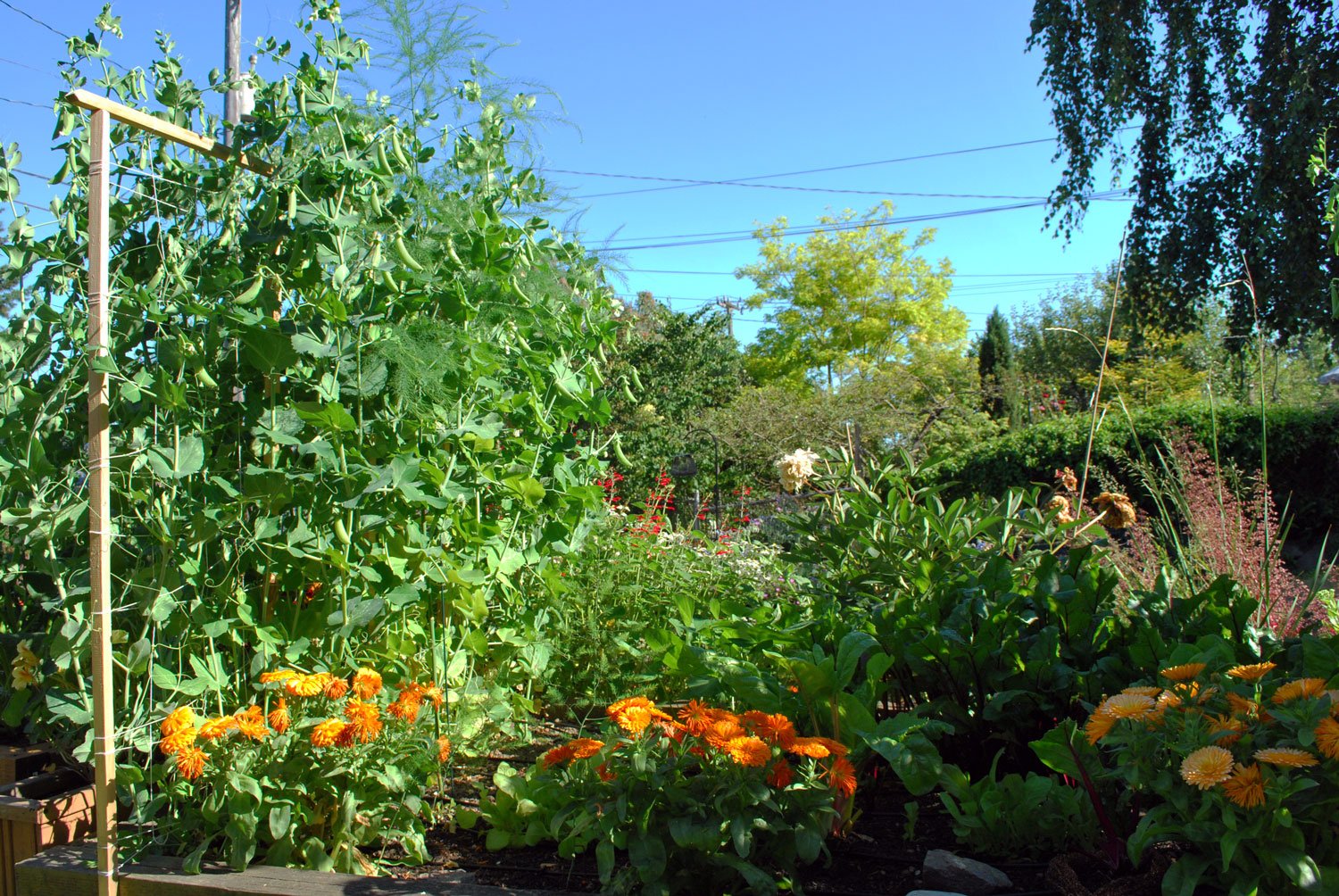
- Beetroot and cosmos. The dark red leaves of beetroot provide a striking contrast to the colorful blooms of cosmos. They also benefit from each other's company, as cosmos help to attract pollinators and beetroot helps to suppress weeds.

- Cucumbers and cosmos. Cosmos help to attract pollinators, which help to pollinate cucumbers. They also help to deter cucumber beetles, which can be a problem for cucumbers.
- Squash and cosmos. Cosmos attract pollinators, which help to increase squash yields. They also help to deter squash bugs, which can be a problem for squash.
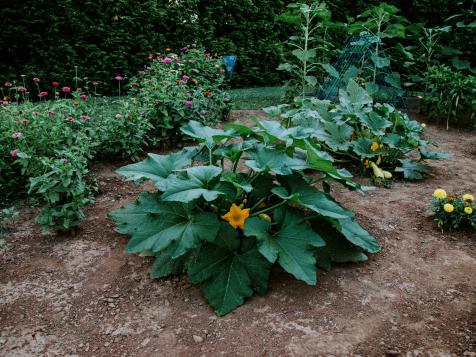
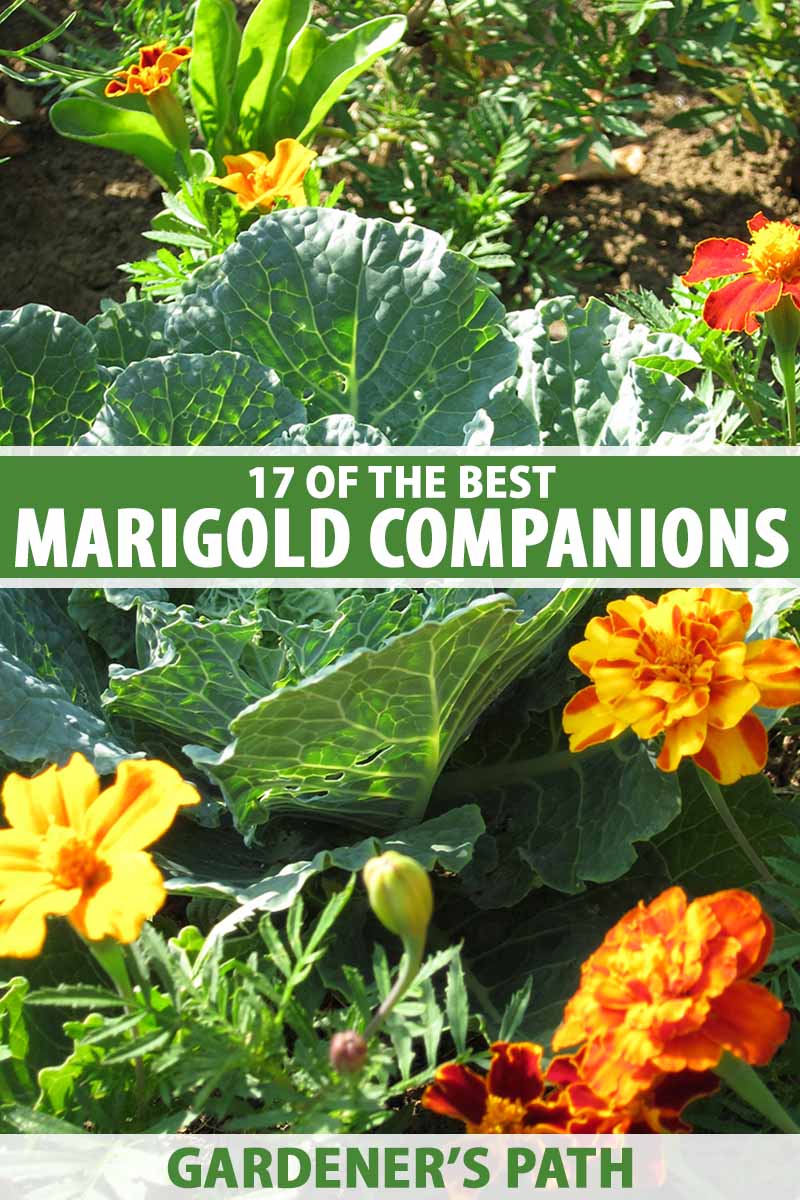
- Marigolds and cosmos. Marigolds help to deter pests, such as nematodes and rootworms, which can be a problem for cosmos. They also help to attract pollinators, which help to increase cosmos blooms.

Post a Comment for "Cosmos Companion Vegetables: The Best Plants To Grow Together"